Sleep · Review
Best Sleep Supplements 2026 (Ranked and Reviewed)
By Evan Mercer · Updated July 2026
Advertising disclosure: This article contains affiliate links. If you buy through them we may earn a commission at no extra cost to you. Full disclosure.
Before we rank anything, one honest thing to say up front: a supplement can nudge you toward sleep, but it cannot manufacture it. The best sleep aids gently ease you into rest or nudge your body clock back on schedule. None of them fix real insomnia, sleep apnea, or the late night screen and caffeine habits that keep most people up. With that floor set, here are the options we think are genuinely worth taking to fall asleep faster and stay asleep, ranked from the convenient all in one down to the cheap, proven single ingredients.
Our top picks at a glance
- #1 Yu Sleep, our best all in one pick: a liquid formula that stacks the core sleep actives (magnesium, L-theanine, low dose melatonin and more) into one nightly dose, with a 60 day guarantee.
- Best budget foundation: plain magnesium glycinate, the cheapest evidence backed place to start, especially if you run low on magnesium.
- What these are: calming minerals, amino acids and a body clock hormone that may help you fall asleep faster and wake less, not sedate you like a sleeping pill.
- What to expect: a gentler onset and steadier nights for many people, not a knockout. They work best alongside real sleep habits.
Set your expectations honestly
Supplements support sleep. They do not treat chronic insomnia, and they do nothing for sleep apnea, which is a breathing disorder that needs medical care. If you snore loudly, gasp awake, or feel exhausted despite a full night in bed, see a doctor rather than reaching for a bottle. For everyone else, the realistic win is falling asleep a bit faster and sleeping a bit more solidly, on top of good habits, not instead of them.
What sleep supplements can (and can't) do
Most over the counter sleep aids work in one of three ways. Minerals and amino acids like magnesium and L-theanine calm the nervous system so your mind stops racing. Melatonin is a hormone your body already makes as it gets dark, so taking a small dose can shift a body clock that is out of sync (say after travel or too much late screen time). Herbs like valerian and lemon balm have a long traditional history and a thinner modern evidence base.
What they realistically do:
- Help you fall asleep faster and feel calmer at bedtime for many people.
- Reset a shifted body clock in the case of melatonin, which is its real strength.
- Reduce middle of the night waking for some, though results vary a lot person to person.
What they do not do:
- Cure chronic insomnia or replace cognitive behavioral therapy for insomnia (CBT-I).
- Do anything for sleep apnea or other medical sleep disorders.
- Override caffeine, alcohol, a bright bedroom, or a 1 am scrolling habit.
How we picked
We ignored the marketing and scored every option on four things:
- Evidence for the active ingredient actually helping sleep, not just relaxation in a lab.
- Dose sense, whether the useful ingredients are present at amounts studies used, and whether those amounts are disclosed at all.
- Value, cost per night against a do it yourself version of the same actives.
- Risk to you, the strength of any guarantee and how gentle and non habit forming the ingredient is.
That framework rewards a well built all in one when it earns it, but it also keeps the cheap, proven single ingredients honestly in the running, because for a lot of people those are the smarter buy.
The best sleep supplements for 2026
| Option | Best for | Rating | Note |
|---|---|---|---|
| #1 Yu Sleep | An all in one nightly dose | 4.3 | Convenient liquid stack; doses not fully disclosed; refunds about 85% |
| Magnesium glycinate | A cheap, proven foundation | 4.2 | Best value, especially if you run low in magnesium |
| Low dose melatonin | Jet lag and body clock issues | 4.0 | Great for timing, not for classic insomnia; use 0.5 to 3 mg |
| L-theanine | A racing, anxious mind | 3.9 | Calming and gentle, but effect is mild on its own |
| Valerian or herbal blend | A traditional herbal route | 3.6 | Long history, mixed evidence, quality varies a lot |
#1, Yu Sleep (best all in one)
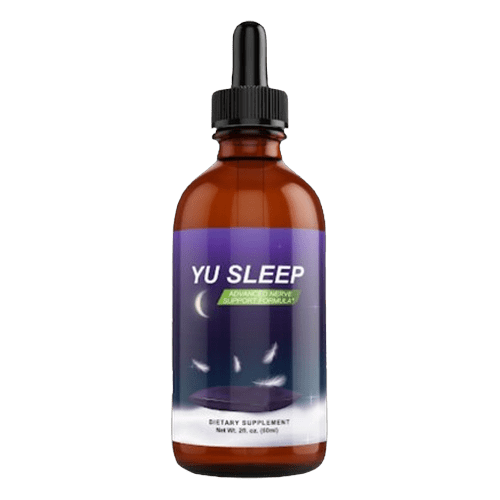
Yu Sleep is our best all in one pick. Instead of buying and timing several bottles, you get one nightly liquid dose that stacks the actives most people would assemble themselves: melatonin, magnesium glycinate, L-theanine, 5-HTP, tart cherry, apigenin, lemon balm, GABA, plus vitamins B6 and B2. The liquid nano format is pitched at faster absorption, and the real appeal is simple: it puts the core sleep toolkit into a single step at bedtime.
The honest catch is transparency. The label leans on the blend as a whole rather than publishing every individual dose, so you cannot fully verify how much melatonin or magnesium you are getting per serving. That is the main reason it sits at 4.3 rather than higher. It is a convenience buy, and a good one, but you are trusting the formula rather than reading exact milligrams. It suits people who want one nightly dose and will happily pay a premium for that simplicity.
Yu Sleep
An all in one liquid that stacks melatonin, magnesium glycinate, L-theanine, 5-HTP, tart cherry and more into one nightly dose. Convenient and well rounded, backed by a 60 day guarantee, though individual doses are not fully disclosed.
Read the guarantee before you buy
Yu Sleep advertises a 60 day money back guarantee, which is genuine, but in practice it refunds about 85% of what you paid because shipping is deducted from the return. That still makes trying it low risk, just do not expect a full refund to the cent. Results with sleep formulas vary a lot person to person, so that return window matters.
For the full breakdown of the formula, the dosing caveats and who it suits, read our detailed Yu Sleep review.
#2, Magnesium glycinate (best cheap foundation)
If you only buy one thing on this list, make it magnesium glycinate. It is the cheapest evidence backed sleep support you can get, and the glycinate form is gentle on the stomach and well absorbed. Magnesium supports the calming side of the nervous system, and the effect is most noticeable if you actually run low in magnesium, which is common. It will not knock you out, but it takes the edge off and helps many people settle. As a standalone it rates just below Yu Sleep only on breadth and convenience, not on evidence or value.
Magnesium glycinate
The best value sleep foundation. Gentle, well absorbed and genuinely helpful if you run low in magnesium. You trade the all in one convenience for a clean single ingredient and a much lower price.
The full case, dosing and timing is in our magnesium for sleep guide.
#3, Low dose melatonin (best for body clock and jet lag)
Melatonin is widely misunderstood. It is not a sedative and it is not really for classic insomnia. Its actual strength is timing: it tells your body clock that night has arrived, which makes it excellent for jet lag, shift work, and delayed sleep schedules. The key is a low dose, 0.5 to 3 mg, taken a couple of hours before your target bedtime. Bigger is not better here; large doses can leave you groggy without working any better. Use it to reset a shifted schedule, not as a nightly crutch for staying asleep.
Low dose melatonin
The right tool for jet lag and body clock problems, not classic insomnia. Cheap and effective at 0.5 to 3 mg taken a couple of hours before bed. Skip the megadoses.
More on timing and dosing is in our melatonin for sleep guide.
#4, L-theanine (best for a racing mind)
L-theanine is an amino acid found in tea that promotes a calm, relaxed alertness without sedation. It is a good pick if your problem is a busy, anxious mind at bedtime rather than tiredness itself. On its own the effect is mild, which is why it lands here, but it pairs naturally with magnesium and is one of the quiet workhorses inside all in one formulas like Yu Sleep. Think of it as taking the mental volume down, not switching the lights off.
L-theanine
A gentle, non sedating calm that helps most when a racing mind is the problem. Effect is mild on its own, but it stacks well with magnesium and is a staple inside sleep blends.
#5, Valerian or herbal blend (the traditional route)
Valerian, often blended with hops, lemon balm or passionflower, is the classic herbal sleep route with a long traditional history. The honest problem is the evidence: modern trials are mixed, and product quality varies a lot from brand to brand, so results are hard to predict. Some people genuinely find it helps them wind down; others notice nothing. It can also have a distinctive smell and, occasionally, leave people groggy. It rates lowest here on evidence and consistency, but it is a reasonable thing to try if you prefer a botanical approach and buy from a reputable brand.
Valerian or herbal blend
The traditional herbal option with a long history but genuinely mixed evidence and variable quality. Worth a try if you prefer botanicals, just buy from a reputable brand and keep expectations modest.
DIY the core actives, or buy the all in one?
This is the real decision, so here it is straight. An all in one like Yu Sleep is genuinely convenient: one nightly dose, no juggling bottles or timing, and a sensible spread of actives. You pay a premium for that, and you accept that the individual doses are not fully published.
You can also build the core stack yourself and usually spend less. The three ingredients doing most of the heavy lifting are magnesium glycinate, low dose melatonin, and L-theanine. Bought separately they cost little, you control every dose, and you can drop whatever does not suit you. The tradeoff is that you are now managing three products and their timing instead of one.
Which route fits you
If you value simplicity and one nightly step, Yu Sleep is the convenient pick and the 60 day guarantee lowers the risk. If you would rather control doses and pay less, start with magnesium glycinate, add low dose melatonin only if your schedule is off, and add L-theanine if your mind races. Either way, pair it with real sleep habits, which do more than any bottle.
Who should skip supplements and see a doctor
See a doctor, not just a supplement
Sleep supplements are an adjunct for occasional or mild trouble sleeping, not a treatment for a sleep disorder. See a doctor if you have loud snoring or gasping awake (possible sleep apnea), insomnia lasting more than a few weeks, daytime exhaustion despite enough time in bed, or sleep problems alongside depression or anxiety. Melatonin and herbs can interact with medications, including blood thinners, sedatives and some blood pressure drugs, and are not recommended in pregnancy without medical advice. This is general information, not medical advice, so check with your doctor before starting anything, especially if you take other medicines.
Frequently Asked Questions
What is the best sleep supplement in 2026?
For an all in one, our top pick is Yu Sleep, a liquid formula that stacks magnesium glycinate, L-theanine, low dose melatonin and other calming actives into one nightly dose, backed by a 60 day guarantee. If you would rather keep it cheap and simple, plain magnesium glycinate is the best value foundation, especially if you run low in magnesium.
Is it better to buy an all in one like Yu Sleep or DIY?
It depends on what you value. Yu Sleep is more convenient, one nightly dose with a sensible spread of ingredients, but you pay a premium and the individual doses are not fully disclosed. You can build the core stack yourself with magnesium glycinate, low dose melatonin and L-theanine for less, at the cost of managing several products.
How much melatonin should I take?
A low dose of 0.5 to 3 mg is enough for most people, taken a couple of hours before your target bedtime. More is not better; large doses can leave you groggy without working any better. Melatonin is best for body clock issues like jet lag or shift work rather than classic insomnia.
Do sleep supplements treat insomnia?
No. They may help you fall asleep faster and wake less on occasional or mild nights, but they do not treat chronic insomnia, which is best addressed with cognitive behavioral therapy for insomnia (CBT-I), and they do nothing for sleep apnea. See a doctor for insomnia lasting more than a few weeks or for loud snoring and daytime exhaustion.
What is the best sleep supplement if I have a racing mind at night?
L-theanine and magnesium glycinate are the gentlest picks for a busy, anxious mind, since they promote calm without heavy sedation. Their effect is mild on its own, which is why an all in one like Yu Sleep combines them with other actives, but for many people that calming pair is enough to settle down.